
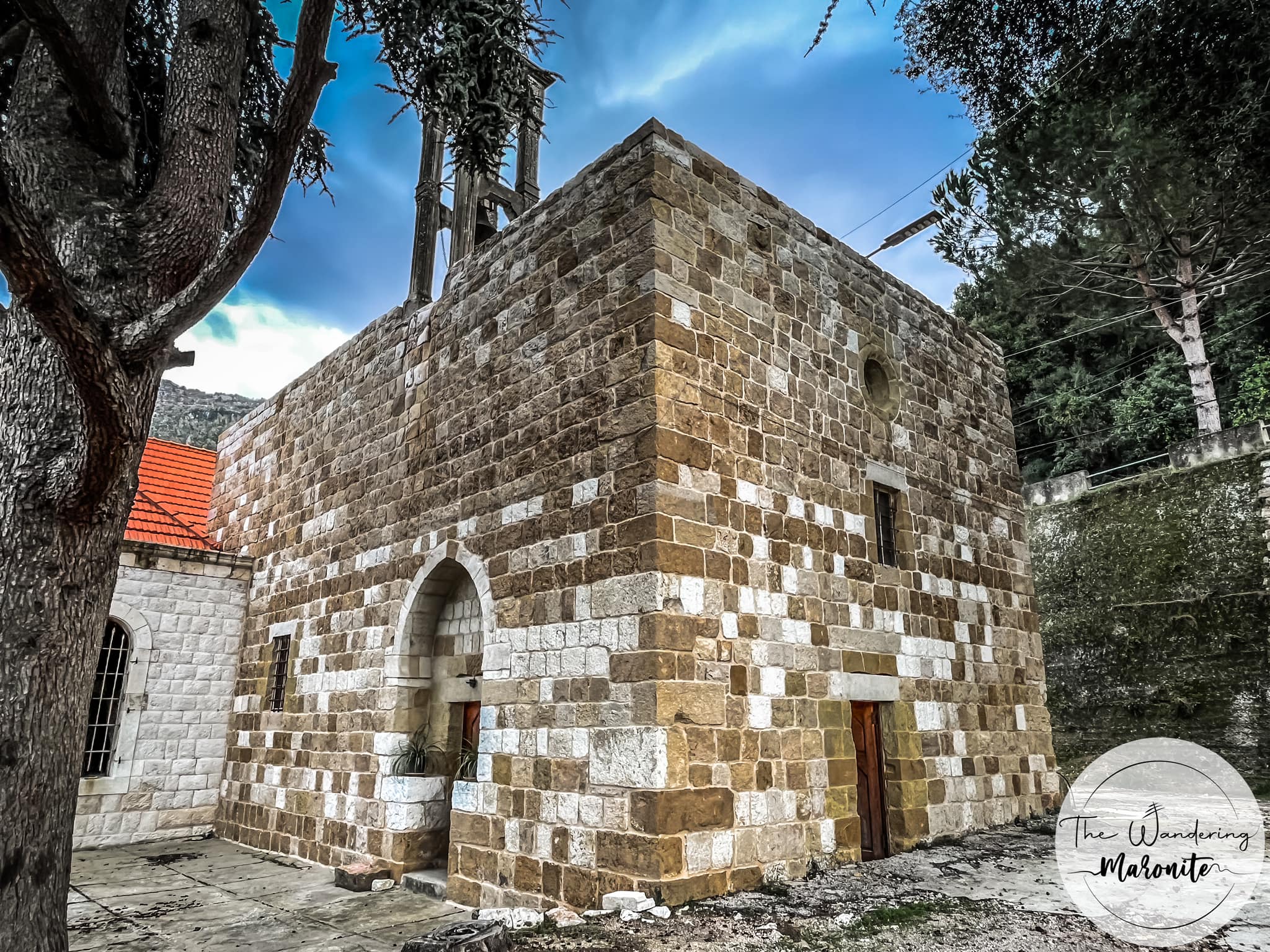
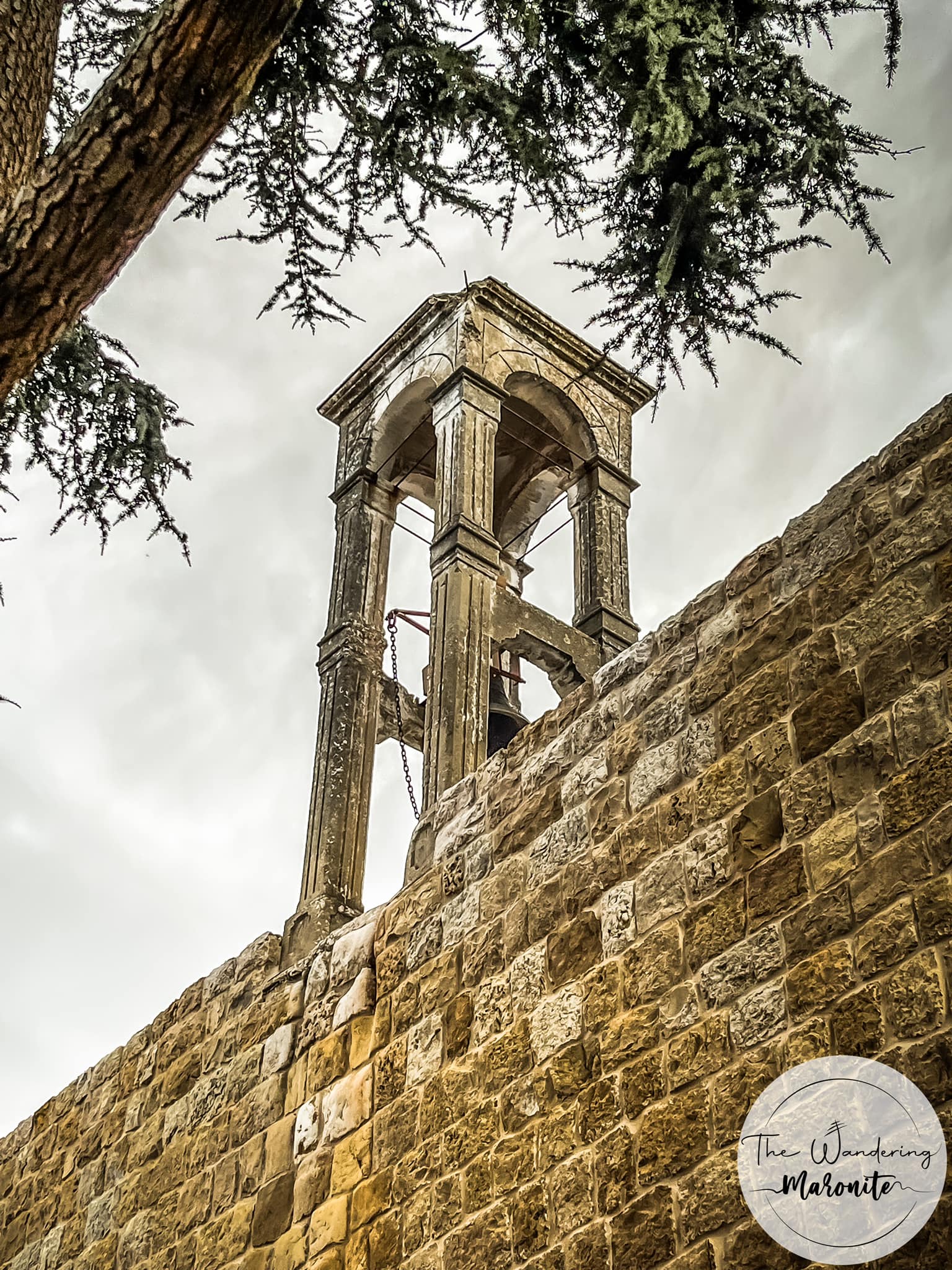
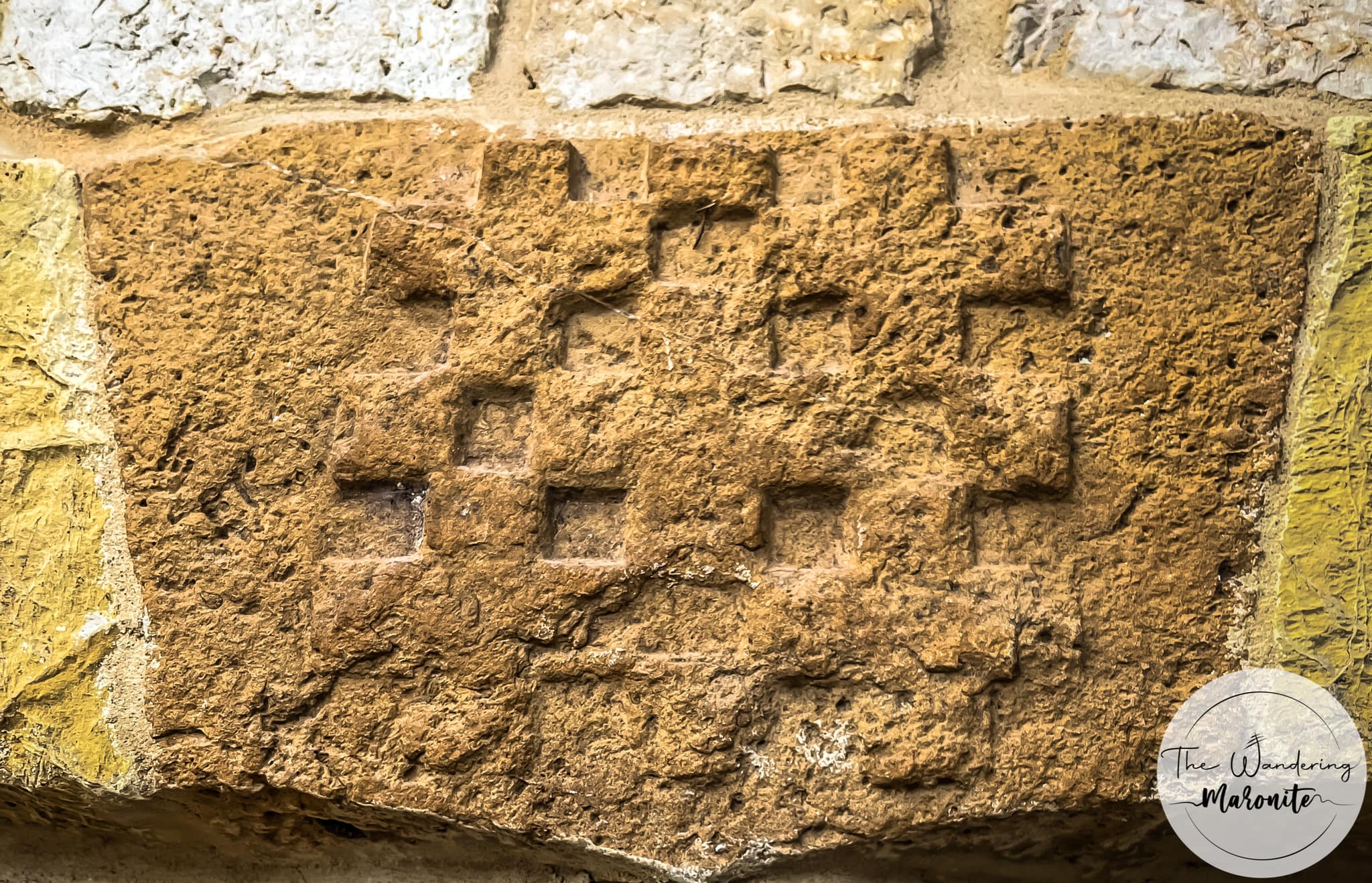
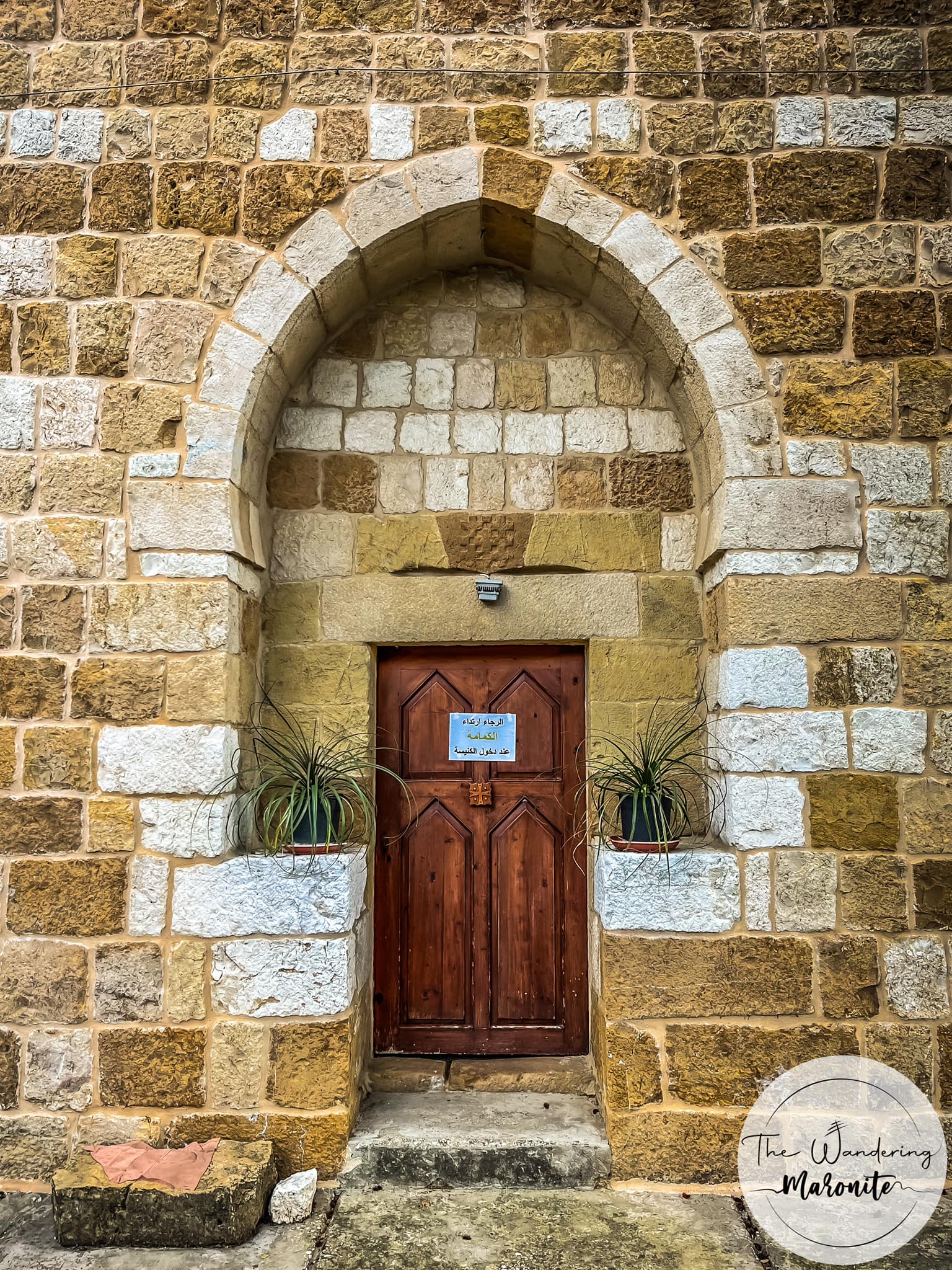
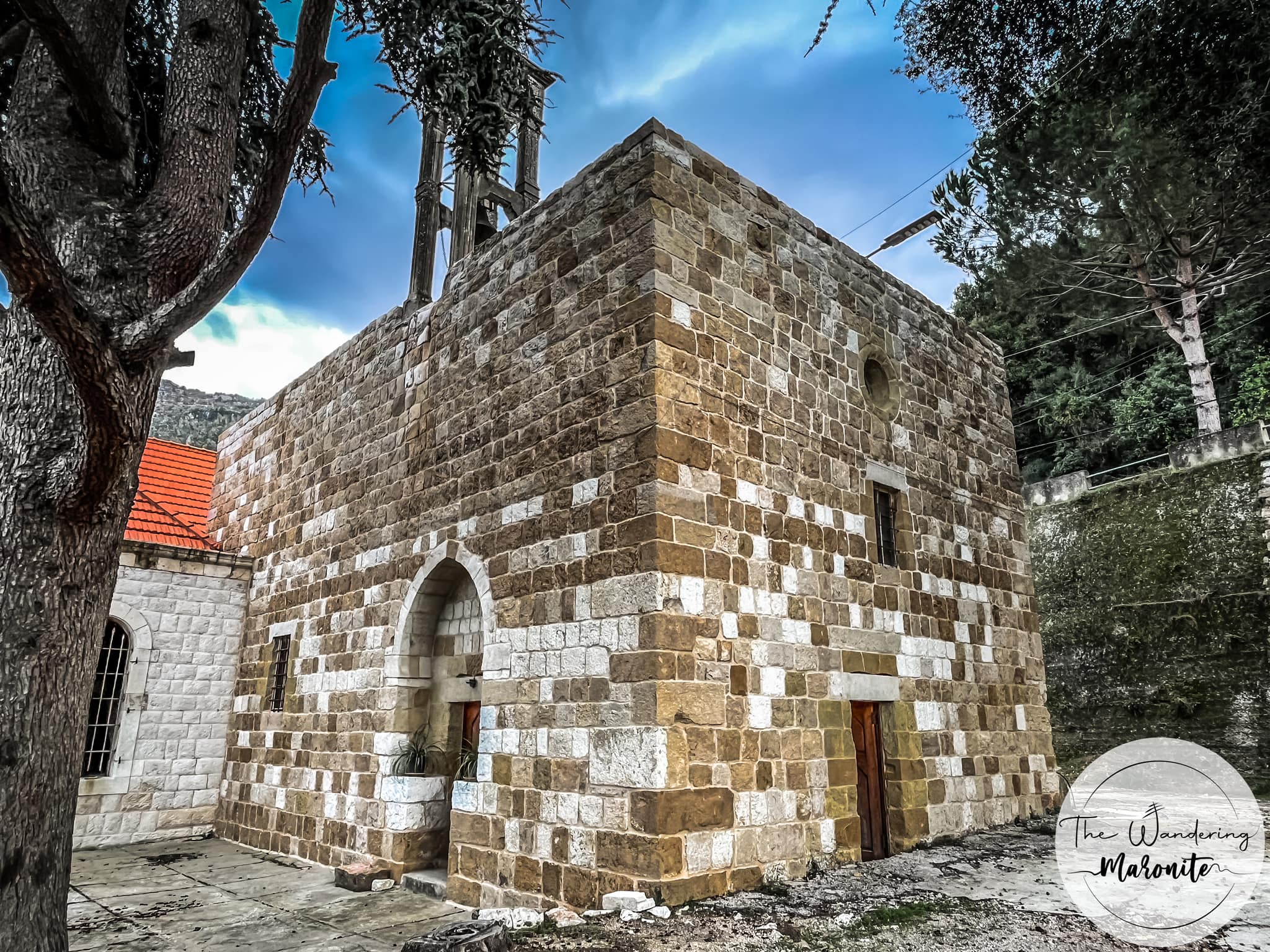
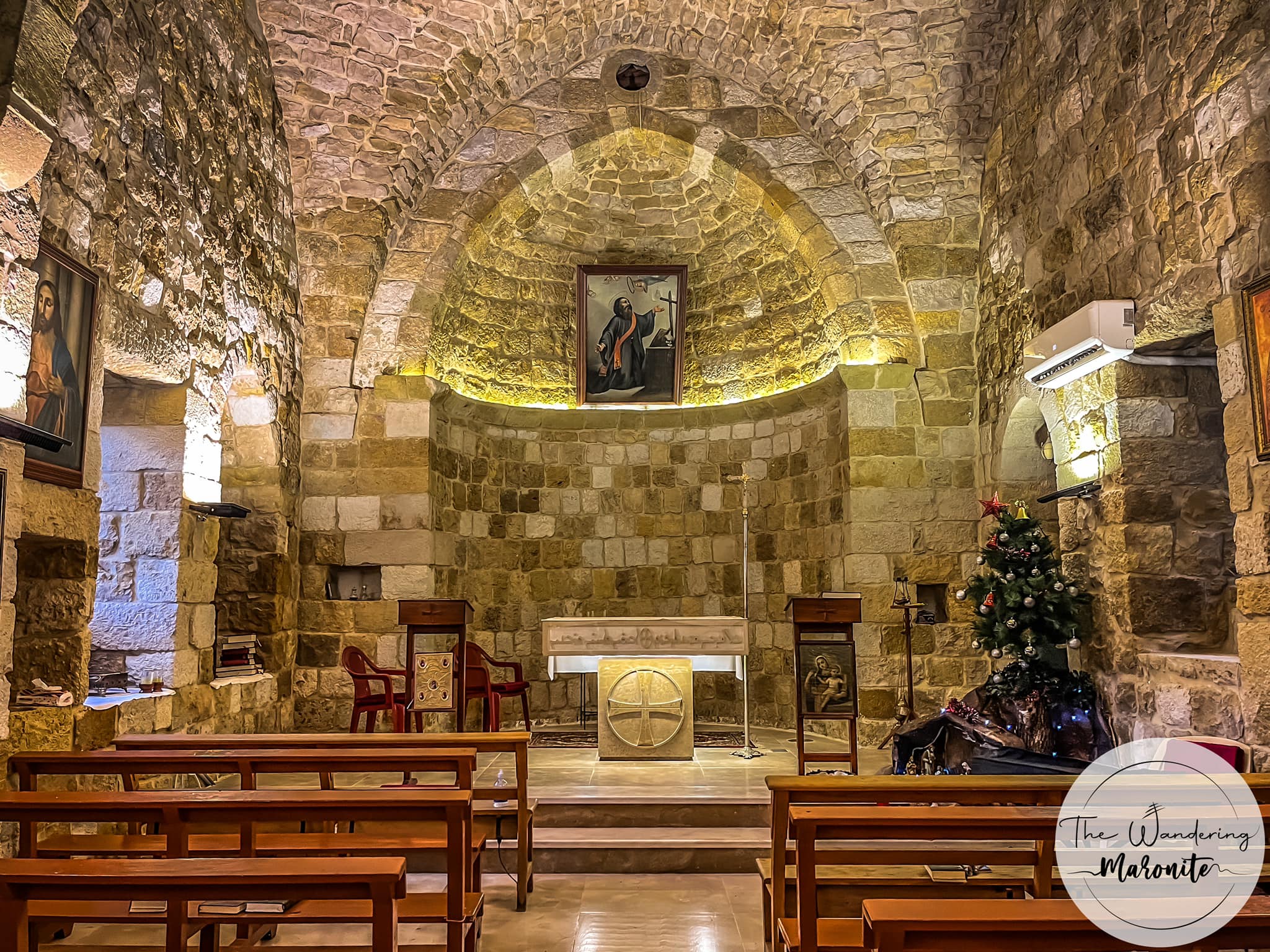
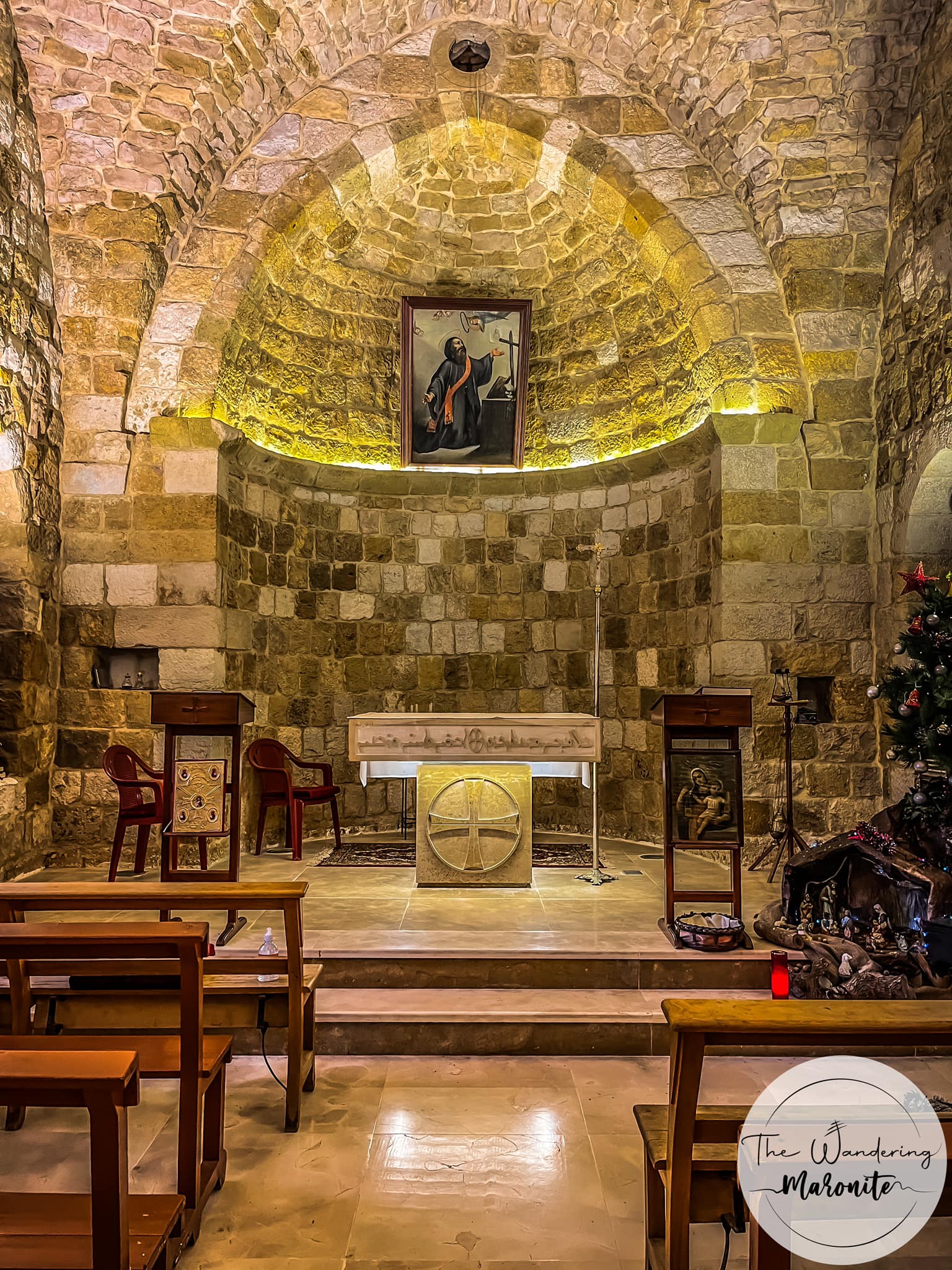
Aramoun – The Monastery of St. Rouhana is located in Al Baqi’a

Monastère St. Rouhana Aramoun, Aaramoun, Lebanon

Other Details

دير مار روحانا البقيعة

Aaramoun Aaley

Aley

Mount Lebanon

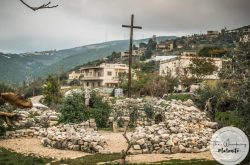
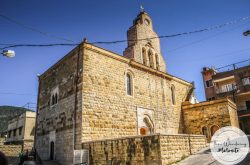
دير مار روحانا البقيعة - عرمون سنة ١٧٠٣ جاء قرار بناء دير مار روحانا، وكان ديرًا مشتركًا للرهبان والعابدات، في موضع مدرسةٍ قديمة لتعليم الأحداث على اسم السيّدة. وسّعه البطريرك طوبيّا الخازن ليكون مقرًّا له خلال إقامته في كسروان. سنة ١٧٧٥ ترهّب في الدير قيس بن رامح الخازن وهو المطران جرمانوس الخازن رئيس أساقفة دمشق. في ٢٥ أيلول ١٨٢٦ فصل البطريرك يوسف حبيش الرهبان عن الدير. رُمّم الدير على عدّة مراحل آخرها سنة ٢٠١٦ حين كُرّس المذبح الجديد. الدير وقف بعناية آل زوين تحت ولاية البطريركيّة المارونيّة. The Monastery of St. Rouhana is located in Al Baqi'a - Aramoun. In 1703, a decision was made to build a joint monastery for monks and nuns on the site of an old school dedicated to the Virgin Mary. Patriarch Tobia El Khazen renovated it to use as his residence during his stay in Keserwan. On September 25, 1826, Patriarch Youssef Hobeish separated the monks from the monastery. The monastery underwent several stages of renovation, with the last one in 2016 when the new altar was consecrated. The monastery is under the jurisdiction of the Maronite Patriarchate and is entrusted to the care of the Zwein family.

Visited 4462 times, 3 Visits today

Reviews are disabled, but trackbacks and pingbacks are open.

Related Listings

Haqel – The church of our Lady of Almonds

Saint Mary -Haqel -Lebanon, 3arbit saydder, Haqel, Lebanon

كنيسة سيّدة اللوزة

Haqel

Jbeil

Mount Lebanon

كنيسة سيّدة اللوزة – حاقل

يعود بناء الكنيسة إلى القرن السابع للميلاد. البناء كناية عن عقدٍ سريريّ ينتهي بحنية. هي من أقدم الكنائس في لبنان، ويعود سبب تسميتها إلى رمزيّة اللوز في الكتاب المقدّس، فاللوزة هي أوّل شجرة تُزهر مُعلنة قدوم الربيع، وقد رأى الآباء في اللوزة رمزًا لإيمان مريم العذراء. كانت هذه الكنيسة منطلقًا للعلّامة إبراهيم الحاقلاني قبل ذهابه إلى روما سنة 1616، وللحاج سلهب الحاقلاني مؤسس دير سيّدة اللويزة – ذوق مصبح سنة 1682. تضمّ الكنيسة نقوشًا صليبيّة على الكلس، لوحة السيّدة من القرن السادس عشر، ونسخة أحدث عنها، مذبح أساسيّ رخاميّ يعود لسنة 1923، ومذبح خلفيّ خشبيّ.

The church of our Lady of Almonds - Haqel

The church was built in the VIIth century. The structure consists of a crib vault. It is one of the oldest churches in Mount Lebanon. The origin of the name Lady of Almond is Biblical, the almond tree being the first tree that blossoms announcing spring. Early Church fathers saw in the almond tree a symbol of the Virgin Mary. The church was the parish of Ibrahim Haqlany before he went to Rome in 1616, and the monk Salhab Haqlany founder of the monastery of Our Lady of Louaize Zouk Mosbeh in 1682. The church holds engravings dating back to the crusaders era, a XVIth century Marian icon and a latter replica, a main marble altar fron 1923, and a wooden altar at the end of the church.

Ain el Delbe – The church of St Nohra

St Nohra church ain el delbeh كنيسة مار نوهرا, Ain Al Delbe, Lebanon

كنيسه مار نوهرا

Ain Ed-Delbeh Jbayl

Keserwan

Mount Lebanon

كنيسه مار نوهرا - عين الدلبة

بُنيت الكنيسه أواسط القرن التاسع عشر ، وترمّمت على عدّة مراحل. هي مكرّسة على إسم مار نوهرا وهو لقبّ سريانيّ للقدّيس لوجيوس، يعني النور. اللوحة الاساسيّة من روما تعود لسنة ١٩١٠. أمّا اللوحة القديمة للقدّيس، فهِيَ من عمل كنعان ديب الدلبتاوي. في الكنيسه مذبحُ لعذراء غوادالوبي لوحته مستوردة من المكسيك سنة ١٩٢٠.

The church of St Nohra - Ain el Delbe

The church was built in the mid XIXth century, and restored many times. The church is consecrated to St Logiue who’s named nouhro, which is the syriac translation of the word "light". The painting over the high altar is made in Rome in 1910. The old one over the side altar is the work of Kanaan Dib. Another side altar is dedicated to the Virgin of Guadalupe, and it is a donation from the village’s expats in Mexico in 1920.

Behdaydat – Saint Theodorus (Theodore)

St Theodore Church - مار تيودوروس, Behdaidat, Lebanon

كنيسة مار تاودوروس الشهيد بحديدات

900

Behdaydat

Jbeil

Mount Lebanon

يعود بناء الكنيسة للقرن العاشر، تحتوي على مجموعة جدرانيّات تعود إلى القرون الوسطى. هي من أكثر الكنائس المحافظة على طابعها الأول هندسةً، وتُجسّد الجدرانيّات التي زيَّنتها منذ القرن الثالث عشر، موضوعاتٍ من العهدين القديم والجديد.
تُجسّد الجدرانية قصَّة الخلاص المقسومة الى جزءين: الأوّل إلى الناحية اليمنى يُمثّل يدَي الربّ وموسى يتلقّى منهما الوصايا العشر، والى الناحية اليسرى ذبيحة النبي إبراهيم، وما بين الإثنين رسمٌ لعمانوئيل وسط القمر والشمس. والثاني الى اليمين يمثّل بِشارة العذراء، يليه رسم للنبي دانيال، ومار إسطفان. على الحائط الشماليّ صورة مار تاودروس، وعلى الحائط الجنوبيّ صورة القديس جاورجيوس. في الوسط ايقونة الشفاعة مع الملائكة وعلى مستوى المذبح صف الرسل الإثنا عشر.


The church was built during the tenth century, and contains a collection of medieval Syriac frescoes. It is one of the most preserved churches architecturally. The church was covered with frescos dating back to the 13th century and depicting themes from the Old and the New Testament. The main fresco represents on the right side the hand of God giving Moses the ten commandments, on the left the sacrifice of Abraham. In the middle is Emmanuel between the sun and the moon. The second part depicts the Annunciation, prophet Daniel, and Stephen the Protomartyr. On the northern wall one can find St Theodorus, and St George on the southern. In the main apse is the Deisis with angels, below it the row of the twelve apostles